Hand-painted in oil
About this Artwork
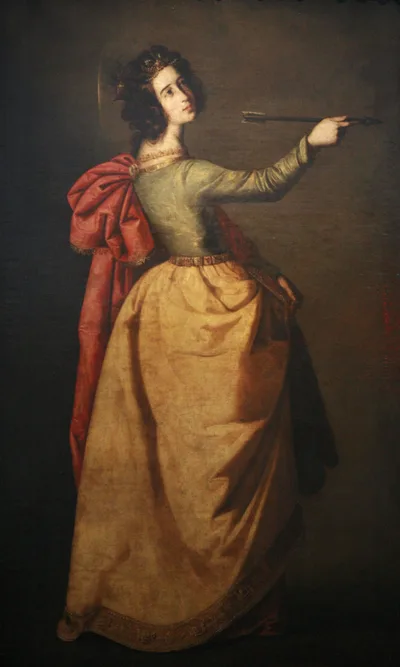
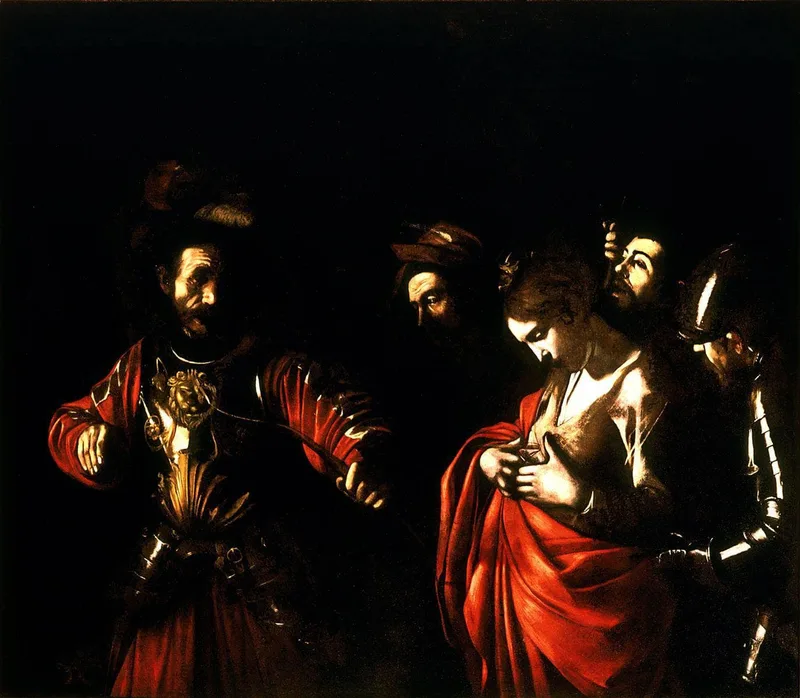
The arrow, and the crowd behind it
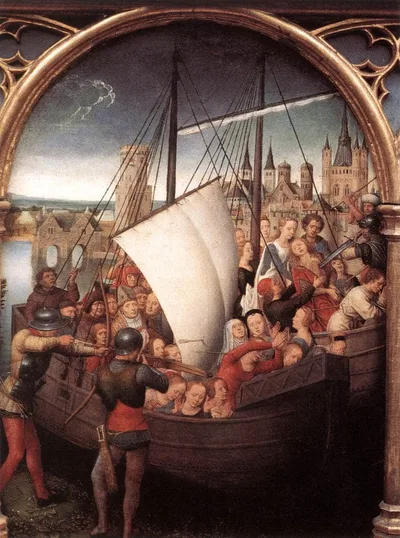
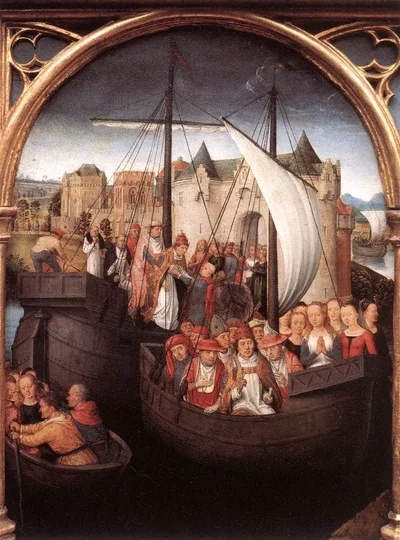
Ursula is named by an arrow. The legend gives her a return journey ended by archers, and the shaft — held, or lodged — is what a painter uses to say which princess this is. A second sign is demographic: the tradition attaches to her an enormous company of companions, and a picture crowded with young women reads as Ursula before any single object is found. A martyrdom subject brings the two together, since the arrow is what ends the crowd.
What the record holds
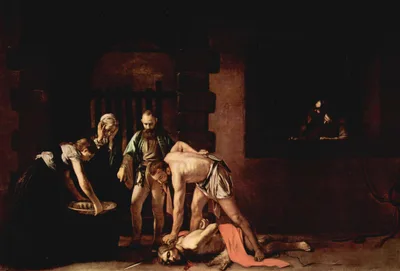
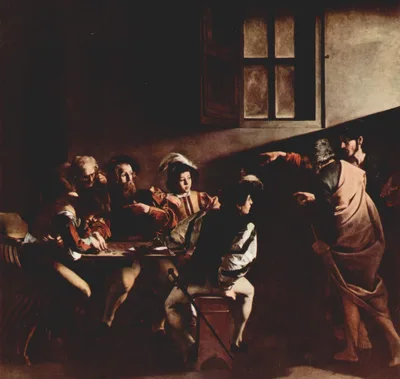
The entry is dated 1610 and gives the Palazzo Zevallos Stigliano, Naples, Italy as its location. The dimensions are 106 x 179.5 cm, a broad horizontal — the format that suits several figures held at close range rather than one figure at full length. It is filed under group portraiture and Religion, with the styles given as Baroque and Tenebrism; the measured colour family is brown.
Four Ursulas, two of them from one object
4 titles in this catalogue carry her name. Two of them are panels recorded as belonging to the same reliquary in Bruges, both carrying the same date, which means the catalogue holds a single painted container twice, once for each scene taken off it. This canvas is the opposite case: one work, one subject, one shelf.
Sources
1 references- Caravaggio, Gianni — Getty ULAN
Italian sculptor and installation artist, born 1968