Hand-painted in oil
About this Artwork
A cross with a shape of its own
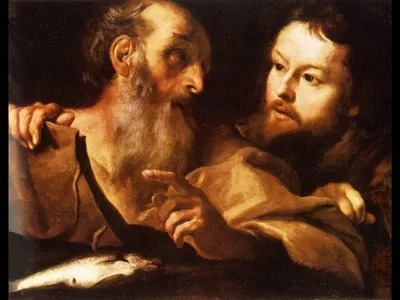
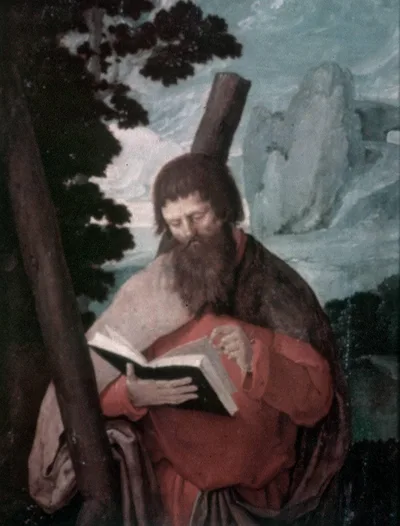
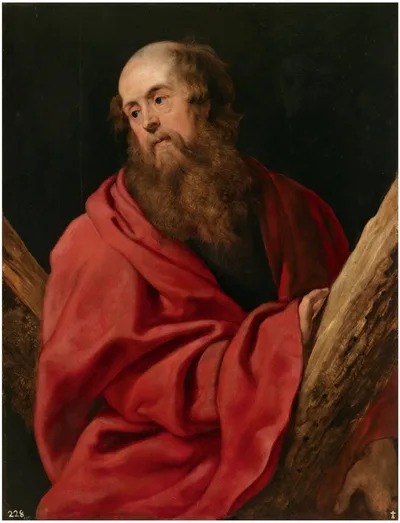
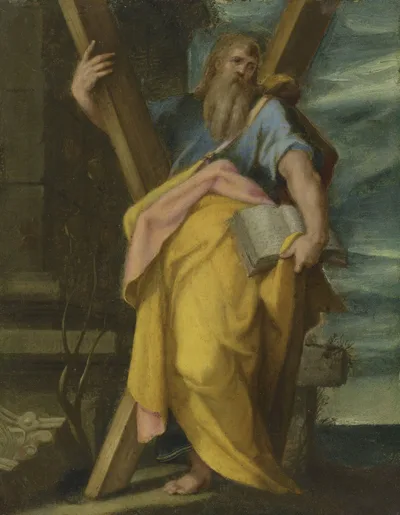
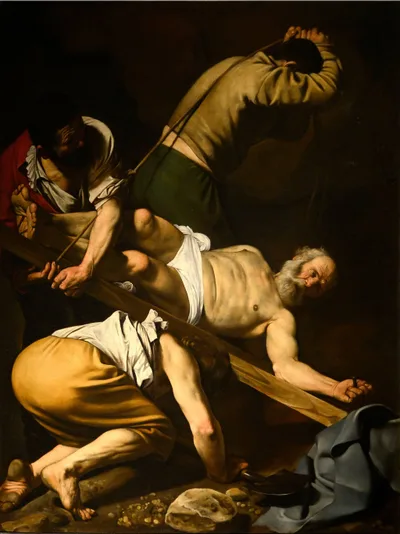
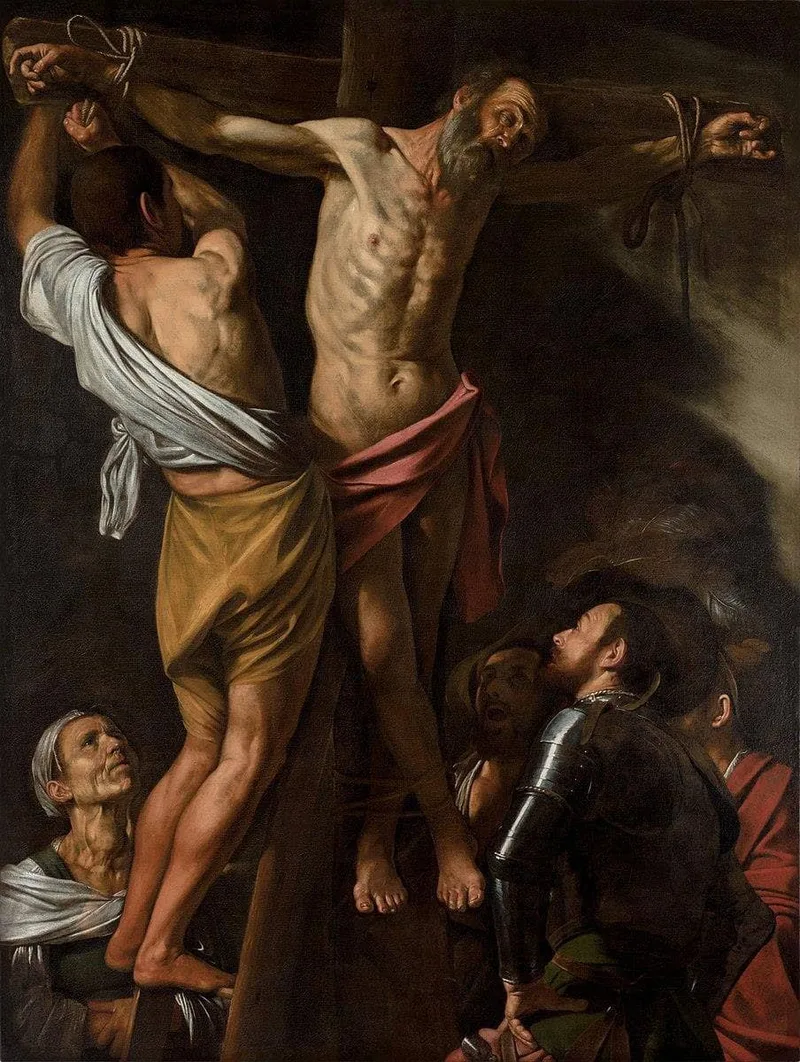
Andrew is identified by an X-shaped cross, the saltire, from the tradition about the manner of his death. The sign is unusually efficient: it is a geometry rather than an object, it reads at any distance, and it has survived outside painting altogether as a flag. In a crucifixion subject the attribute and the apparatus are the same thing, so the picture names its saint by the way its central structure is built. 6 titles in this collection name Andrew.
What the record holds
The catalogue dates the canvas to 1607 and gives the Cleveland Museum of Art as its location. The dimensions are 202.5 x 152.7 cm, a large upright. It is filed under group portraiture, Religion and religious cultural heritage, with Baroque and Tenebrism as the styles and Italian as the nationality; the measured colour family is brown.
What a group tag implies here
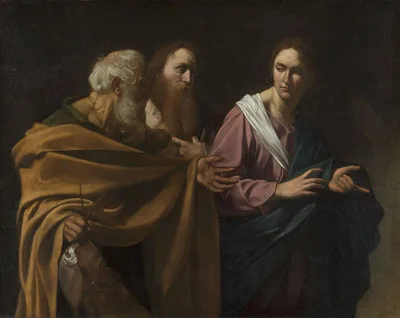
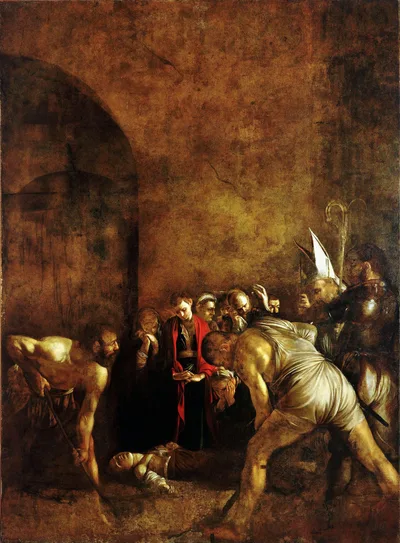
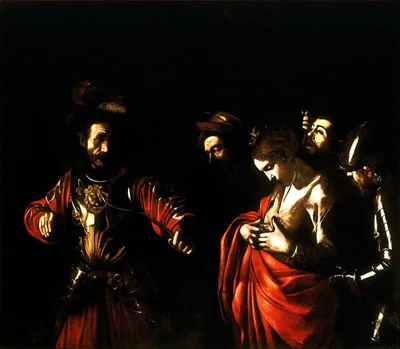
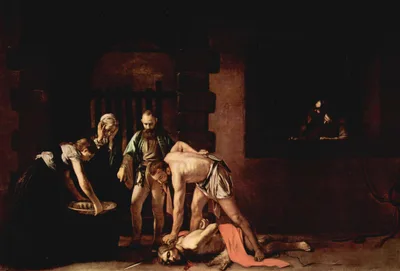
A martyrdom is rarely a picture of one person. The record files this under group portraiture, which is a plain description: an execution requires executioners, and the tradition attaches onlookers to this one in particular. The attribute names the saint; the category field records how many bodies the composition has to hold. 19 works by this artist appear in this collection, and the pattern across their entries is consistent — the martyrdoms are group subjects, the single saints are portraits.
Sources
2 references- Caravaggio, Gianni — Getty ULAN
Italian sculptor and installation artist, born 1968
- The Crucifixion of Saint Andrew — Cleveland Museum of Art (1976.2)
artist: Caravaggio (Italian, 1571–1610); date: 1606–7; medium: oil on canvas; dimensions: Framed: 233.5 x 184 x 12 cm (91 15/16 x 72 7/16 x 4 3/4 in.); Unframed: 202.5 x 152.7 cm (79 3/4 x 60 1/8 in.); credit: Leonard C. Hanna Jr. Fund; des